
Our story · Homa Bay, Kenya
A crop, a community, and the work of rebuilding resilience.
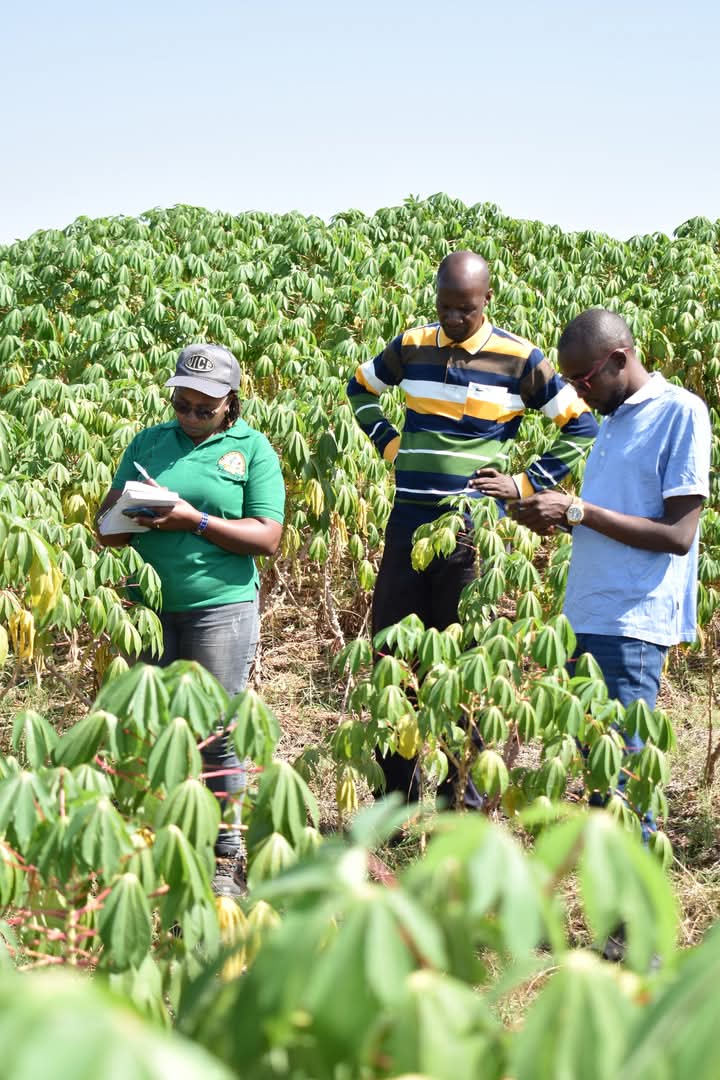
Lactone’s story begins long before the company—with cassava, the Abasuba community, and a dependable way of life that began to disappear.
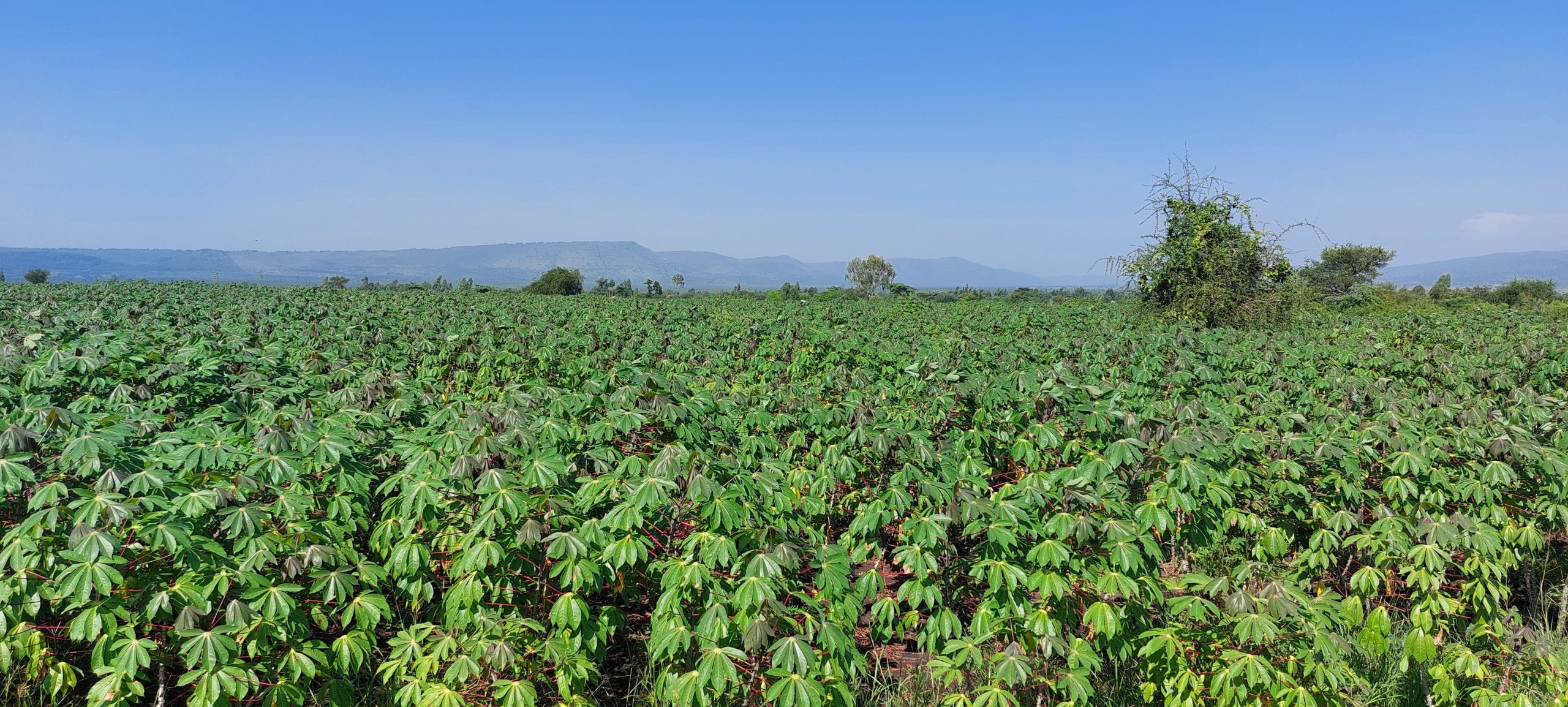
Across Sub-Saharan Africa, more than 500 million people rely on cassava as a principal food source. It is resilient, drought-tolerant, and able to grow in soils where many other crops struggle.
For the Abasuba community in Homa Bay County, cassava was more than food—it was a way of life. It provided income, filled homes with ugali, and was regularly traded for fish and grain at local markets such as Nyandiwa Beach.
The crop gave families a measure of certainty. It could withstand dry weather, remain in the ground until needed, and support both household meals and the everyday rural economy.
A food system under pressure
By 2006, cassava production had fallen by almost two-thirds.
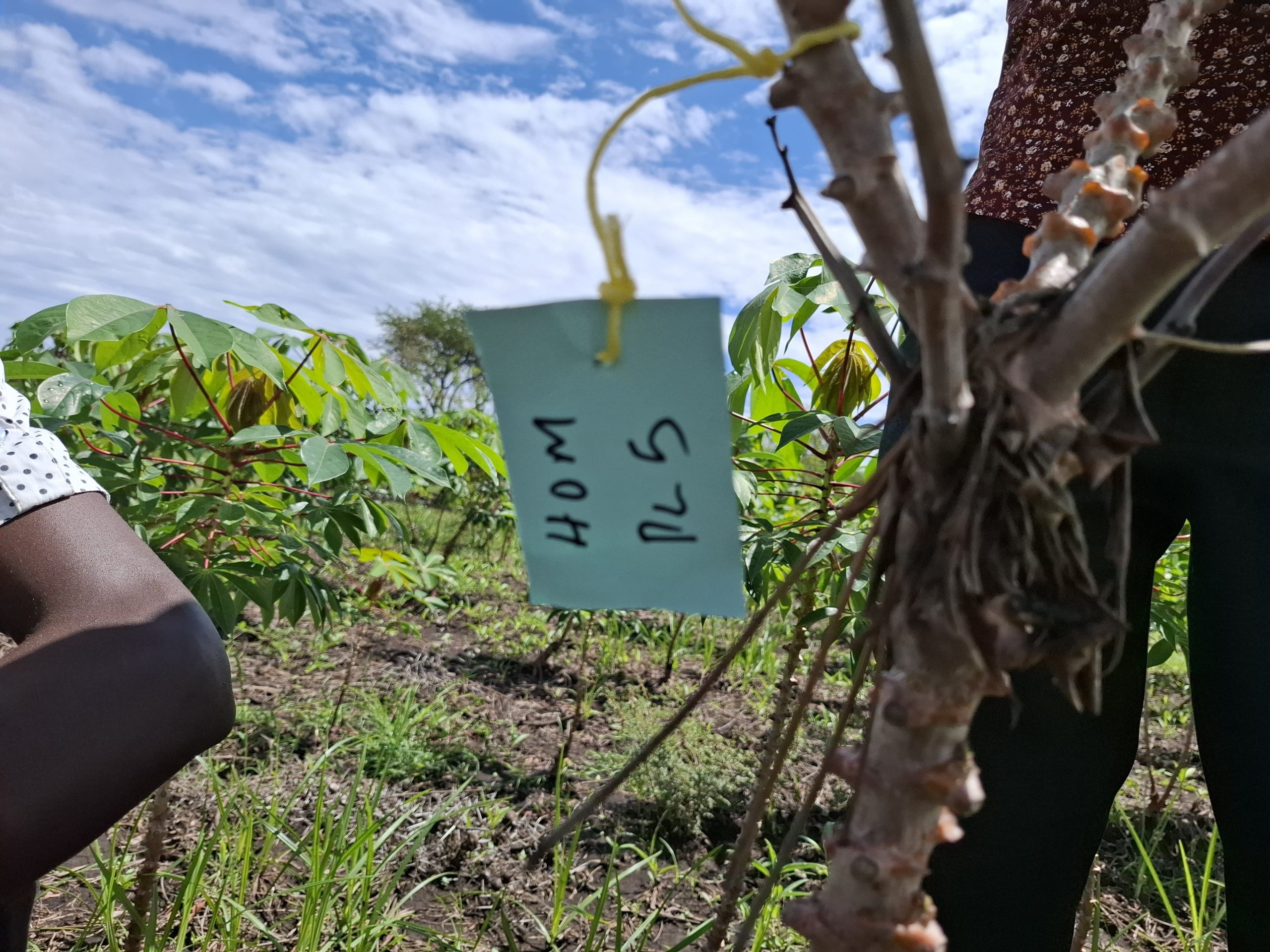
In the early 2000s, farmers in Suba began noticing something strange. Cassava tubers were turning brown and rotting from the inside. The causes were two serious plant diseases: Cassava Mosaic Disease (CMD) and Cassava Brown Streak Disease (CBSD).
The diseases spread quickly and destroyed harvests. Their impact was compounded by a changing climate, leaving households without the crop they relied upon for both food and income.
Parents faced impossible choices between feeding their children and paying school fees. Once-thriving villages in the Gwassi Hills, including Kisaku and Kirambo, were among the hardest hit. Cassava had always been dependable—now it was disappearing.
From finance to food systems
A community problem called for a practical answer.
-
Where Lactone began
Lactone Investments was registered to provide financial lending to smallholder farmers and agro-value-added micro-enterprises.
-
A moment of disruption
The COVID-19 pandemic disrupted rural businesses, and many borrowers could no longer repay their debts.
-
A new direction
Lactone Investments Ltd was incorporated as an agri-food company producing, aggregating, and processing drought-tolerant cassava and sorghum.
-
Rebuilding from the seed
Our work now connects improved planting material with farmer training, mechanization, water resilience, aggregation, and market access.
The work today
Restoring cassava as a source of food, dignity, and income.
Lactone is an agri-food SME dedicated to sustainable food production in Western Kenya. We use improved, drought-tolerant, and disease-resistant cassava planting material as the starting point for wider rural transformation.
Clean seed alone is not enough. Farmers also need practical agronomic knowledge, appropriate machinery, water security, the ability to aggregate their harvests, and reliable buyers. Our model is designed to connect those pieces.
Explore our work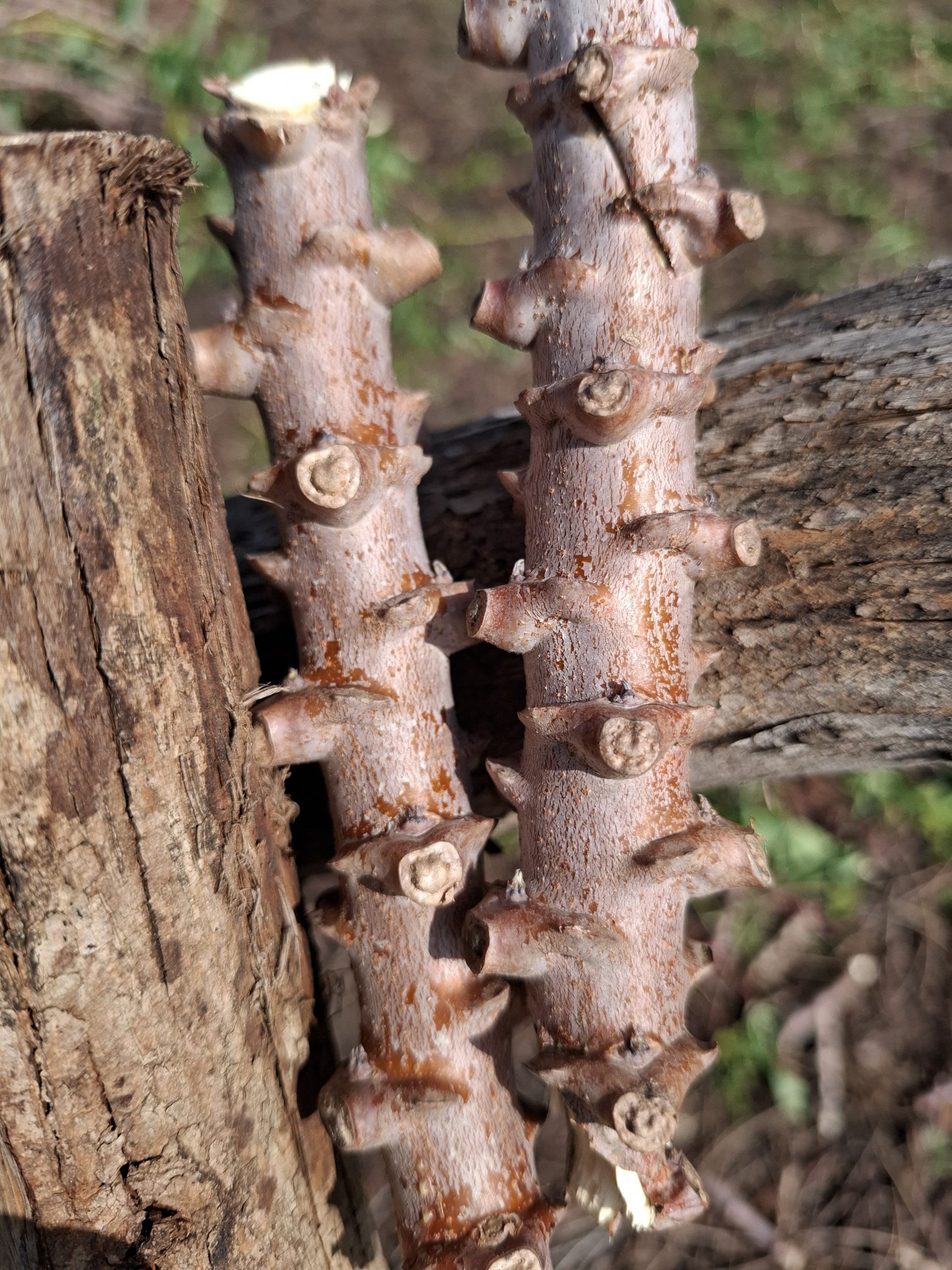
See where the work happens
Welcome to Lactone Farm.
The next chapter